Samsung Galaxy S26 Ultra vs iPhone 17 Pro Max Review: 21 Powerful Differences That Shock Users in 2026
Introduction: The Ultimate Flagship Battle of 2026
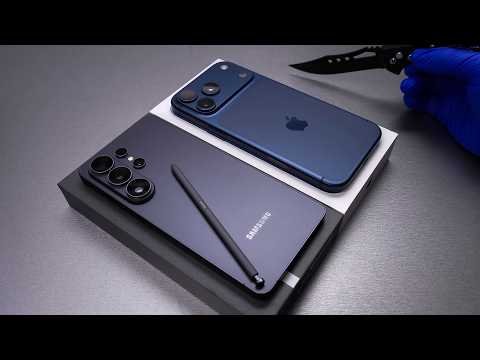
In 2026, the smartphone industry reaches a new peak of innovation as two giants collide once again: the Samsung Galaxy S26 Ultra and the iPhone 17 Pro Max. These devices represent the absolute best of Android vs iOS engineering, pushing boundaries in performance, camera technology, artificial intelligence, battery life, and ecosystem integration.
We examine every critical detail to uncover 21 powerful differences that define which device leads the premium smartphone race.
1. Design Philosophy: Futuristic vs Refined Minimalism
The Galaxy S26 Ultra embraces a futuristic aesthetic with sharper edges, a titanium-aluminum hybrid frame, and near-borderless display engineering.
The iPhone 17 Pro Max, in contrast, continues Apple’s philosophy of refined minimalism, featuring smoother curves, a more uniform chassis, and seamless material integration. Samsung Galaxy S26 Ultra and the iPhone 17 Pro Max.
The difference lies in expression:
2. Display Technology: Peak Brightness vs Color Accuracy
Samsung leads in raw display power with a Dynamic AMOLED 3X panel reaching extreme brightness levels for outdoor visibility and HDR brilliance. Samsung Galaxy S26 Ultra and the iPhone 17 Pro Max.
Apple focuses on color precision and calibration consistency, ensuring industry-leading accuracy for creators.
Key difference:
- Samsung = cinematic intensity
- Apple = studio-grade realism
3. Screen Refresh Rate Optimization
Both devices support adaptive high refresh rates, but Samsung’s system pushes more aggressive scaling between 1Hz and 144Hz, optimizing battery and responsiveness. Samsung Galaxy S26 Ultra and the iPhone 17 Pro Max.
Apple maintains a smoother but more controlled 1Hz–120Hz ProMotion system, prioritizing stability over extremes.
4. Performance: Snapdragon Elite Gen 5 vs Apple A19 Pro Max
The Galaxy S26 Ultra uses the latest Snapdragon Elite Gen 5 chipset with AI acceleration cores optimized for multitasking and gaming.
The iPhone 17 Pro Max features Apple’s A19 Pro Max chip, which dominates in single-core performance and energy efficiency.
Conclusion:
- Samsung excels in multitasking and open system performance
- Apple dominates in raw computational efficiency
5. RAM and Multitasking Capability
Samsung leads with up to 18GB RAM, enabling aggressive background multitasking and desktop-class workflows.
Apple uses optimized 12GB unified memory, relying on software efficiency rather than brute force hardware.
6. Storage Technology
The S26 Ultra introduces UFS 5.0 storage speeds, significantly improving file transfer and app loading times.
The iPhone 17 Pro Max uses enhanced NVMe-based storage, still among the fastest in the industry but slightly behind Samsung in peak sequential speed.
7. Camera System: Versatility vs Consistency
Samsung dominates in versatility with:
- 200MP main sensor
- Advanced periscope zoom up to 200x digital enhancement
- AI-enhanced night photography
Apple focuses on:
- Natural color science
- Computational photography refinement
- Superior video stabilization
8. Zoom Capabilities
The Galaxy S26 Ultra is the undisputed zoom king, offering extreme long-range photography with AI sharpening.
The iPhone 17 Pro Max maintains realistic zoom levels with less distortion but lower reach.
9. Video Recording: Cinematic vs Professional Stability
Apple remains ahead in video with:
- Dolby Vision HDR recording
- Ultra-stable cinematic mode
- Professional-grade color grading pipeline
Samsung offers more flexibility but slightly less consistency in professional workflows.
10. AI Integration
Samsung integrates Galaxy AI 2026, deeply embedded across apps for:
- Real-time translation
- Image enhancement
- Productivity automation
Apple introduces Apple Intelligence+, focusing on privacy-first on-device processing.
11. Battery Capacity and Endurance
The S26 Ultra carries a larger battery optimized for extended use, often exceeding a full day of heavy usage.
The iPhone 17 Pro Max uses a smaller but more efficient battery system, delivering comparable endurance through software optimization.
12. Charging Speed
Samsung dominates with:
- Ultra-fast wired charging
- Advanced wireless charging ecosystem
Apple continues with slower but safer charging protocols, prioritizing battery longevity.
13. Operating System: Android 16 vs iOS 20
Samsung runs One UI based on Android 16, offering:
- Deep customization
- Advanced multitasking
- Open ecosystem flexibility
Apple’s iOS 20 focuses on:
- Seamless ecosystem integration
- Stability and security
- Long-term software support
14. Ecosystem Integration
Apple leads strongly in ecosystem synergy:
- MacBook continuity
- AirDrop evolution
- Apple Vision integration
Samsung counters with:
- Windows integration
- SmartThings ecosystem
- Cross-device Android flexibility
15. Security Architecture
Apple emphasizes hardware-level encryption and strict app sandboxing.
Samsung introduces Knox 2026 security suite, improving enterprise-grade protection and biometric encryption.
16. Biometrics
Samsung uses:
- Ultrasonic fingerprint sensor
- Advanced facial recognition
Apple relies solely on:
- Face ID evolution with depth-sensing AI
17. Gaming Performance
Samsung provides:
- Higher sustained frame rates
- Better thermal dissipation
- GPU optimization for Android titles
Apple delivers:
- Console-level optimization
- Metal API enhancements
- Stable frame pacing
18. Thermal Management
The S26 Ultra introduces a vapor chamber cooling system for sustained heavy workloads.
The iPhone 17 Pro Max uses a more compact thermal system optimized for efficiency rather than peak cooling power.
19. Connectivity: Speed vs Stability
Samsung leads in raw connectivity innovation:
- Wi-Fi 7+ enhancements
- Satellite connectivity expansion
- Faster 5G bands
Apple focuses on:
- Network stability
- Seamless handoff between devices
- Optimized antenna efficiency
20. Build Materials and Durability
Both devices use premium titanium builds, but Samsung pushes slightly more experimental durability coatings, while Apple prioritizes refined structural integrity.
21. Price and Value Proposition
Samsung generally offers:
- More hardware at a slightly lower cost
- Greater storage and RAM options
Apple maintains:
- Higher resale value
- Strong brand premium positioning
- Long-term software support value
Final Verdict: Which Flagship Wins in 2026?
The battle between the Samsung Galaxy S26 Ultra and the iPhone 17 Pro Max is not about superiority in all areas, but about philosophy.
Samsung leads in:
- Innovation
- Hardware power
- Display technology
- Camera versatility
Apple leads in:
- Ecosystem integration
- Video recording
- Software optimization
- Long-term stability
The ultimate choice depends on whether users prefer maximum freedom and hardware innovation or refined ecosystem perfection and consistency.
Both devices define the peak of smartphone engineering in 2026.